Affiliate Disclosure: This post may contain affiliate links. If you purchase through these links, we may earn a small commission at no additional cost to you. We only recommend products and tools we genuinely believe may be useful for you and your Doberman.
You can manage your Doberman’s hip dysplasia by combining early detection with low-impact exercise like swimming, which reduces joint strain while building supporting muscles. Weight management is foundational, alongside targeted supplements such as glucosamine and omega-3 fatty acids that support cartilage health. Home modifications like ramps and supportive bedding decrease daily stress on affected hips. Partnering closely with your veterinarian guarantees you’ll adjust your approach as your dog’s needs evolve over time.
- Key Takeaways
- Understanding Hip Dysplasia in Dobermans
- Recognizing Early Signs and Symptoms
- First Steps: What to Do When Hip Dysplasia Is Suspected
- Weight Management: The Foundation of Joint Health
- Why Low-Impact Exercise Protects Your Doberman’s Hips
- Creating Your Doberman’s Custom Exercise Plan
- Swimming: Low-Impact Therapy for Dobermans With Hip Dysplasia
- Managing Hip Dysplasia Pain: Medication and Non-Drug Options
- Joint Supplements for Dobermans: What Works and Why
- Home Modifications That Reduce Hip Strain
- When and How to Consider Surgical Options
- Building a Long-Term Care Plan With Your Vet
- Frequently Asked Questions
- Conclusion
Key Takeaways
- Early detection of hip dysplasia through signs like irregular gait and reluctance to jump enables easier management and prevents further deterioration.
- Low-impact exercises such as swimming and gentle walking strengthen muscles, manage weight, and protect joints from excessive strain.
- Joint supplements like glucosamine, chondroitin, and omega-3 fatty acids support cartilage health and reduce inflammation when properly dosed.
- Home modifications including ramps, supportive beds, and pet steps substantially reduce joint strain while improving mobility and comfort.
- Regular veterinary check-ups and adaptive treatment plans are essential for monitoring hip health and ensuring long-term quality of life improvements.
Understanding Hip Dysplasia in Dobermans
Because Doberman Pinschers are larger dogs with genetic predispositions toward joint problems, they’re particularly susceptible to hip dysplasia, a condition where the hip joint doesn’t fit together properly and causes gradual wear on the cartilage and bone.
You’ll want to understand that this condition develops over time, and early detection makes management appreciably easier. Signs of hip dysplasia include abnormal walking patterns, reluctance to jump or rise, and visible joint pain during movement.
By maintaining a healthy weight through balanced nutrition and incorporating low-impact exercises like swimming, you can greatly reduce stress on your dog’s joints.
Regular veterinary check-ups with X-rays help catch changes early, allowing you to support your Doberman’s mobility and comfort through proactive care strategies tailored to their specific needs.
Recognizing Early Signs and Symptoms
You’ll notice changes in how your Doberman moves and carries himself, which often begin with an irregular gait or subtle hobbling that becomes more apparent during trotting or after exercise.
Your dog may shift his weight away from one or both rear legs, show reluctance to jump or climb stairs, and occasionally vocalize discomfort through whimpers or yelps, particularly when rising from rest or managing changes.
These behavioral shifts—the reluctance to play, the favoring of one side, the vocal signs—don’t necessarily mean severe damage has occurred, but they do signal that your veterinarian should evaluate your dog’s joints promptly to prevent further deterioration.
Gait Changes And Mobility
When your Doberman Pinscher starts moving differently during walks or play, it’s often one of the first clues that hip dysplasia may be developing, since the condition affects how their rear legs support their body weight and coordinate movement.
You might notice irregular or swaying movements, where your dog favors one rear leg while walking or trotting. More obvious gait changes include bunny hopping, particularly when running, which signals significant joint dysfunction.
Watch for reluctance toward favorite activities, noticeable slowing, or difficulty traversing stairs and furniture. Early mobility issues also appear as abnormal sitting positions or increased lying down.
Managing weight gain reduces stress on joint health, potentially easing this painful condition’s progression and supporting better mobility overall.
Behavioral Shifts And Pain Indicators
Beyond the physical changes in how your Doberman moves, behavioral shifts often provide equally important clues about hip dysplasia’s presence and progression. Your dog may gradually decrease activity levels, showing reluctance to engage in play or reluctance to move around as freely as before.
These changes signal that your Doberman experiences joint discomfort, even if an irregular gait isn’t yet obvious.
Pain indicators you’ll want to monitor include:
- Vocalizations like whimpers or yelps when moving, particularly during stairs or rising from rest
- Abnormal sitting positions or difficulty jumping into vehicles
- “Bunny hopping,” where your Doberman uses both hind legs simultaneously while running
Recognizing these behavioral shifts early allows you to seek veterinary guidance promptly, potentially slowing hip dysplasia’s progression and improving your dog’s quality of life markedly.
First Steps: What to Do When Hip Dysplasia Is Suspected
Recognizing that your Doberman might’ve hip dysplasia doesn’t require panic, but it does call for prompt action, so scheduling a veterinary appointment should be your first priority.
Your veterinarian will conduct a thorough examination and likely recommend X-rays to confirm the diagnosis, establishing a clear picture of your dog’s condition. During this visit, discuss available treatment options tailored to your Doberman’s specific situation, as early intervention can greatly impact outcomes.
Document any symptoms you’ve noticed—irregular gait, reluctance to exercise, or signs of joint pain—and share these observations with your vet. This information helps your veterinarian develop an effective management plan, which may include low-impact exercises, weight management, and supplements to support your dog’s joint health and overall mobility.
Weight Management: The Foundation of Joint Health
One of the most effective ways you can support your Doberman’s hip health is through careful weight management, since excess pounds place direct, measurable stress on the hip joints and amplify the pain and mobility problems that come with dysplasia.
You’ll find that maintaining your dog’s ideal weight requires consistent attention and partnership with your veterinarian, who can recommend a personalized feeding plan based on your Doberman’s age, activity level, and health status.
- Monitor your dog’s weight monthly to catch potential gain early and make dietary adjustments promptly
- Balance calorie control with portion management using a feeding plan suited to your dog’s life stage
- Combine weight management with low-impact exercise like swimming or walking to promote joint health without strain
This foundation supports long-term comfort and mobility for your Doberman.
Why Low-Impact Exercise Protects Your Doberman’s Hips
While weight management creates the foundation for your Doberman’s joint health, movement itself plays an equally important role in protecting those vulnerable hips. Low-impact exercise, such as swimming and gentle walking, minimizes stress on joints while building the muscle strength that supports them.
This approach proves especially important for Dobermans, since their larger size and genetic predisposition make hip dysplasia more common in the breed.
Dobermans’ larger size and genetic predisposition make hip dysplasia particularly common in the breed, requiring proactive joint care.
Regular low-impact activity maintains healthy weight, reduces joint strain, and enhances joint flexibility and mobility.
When you combine these benefits, you actively prevent hip dysplasia progression and improve your dog’s quality of life. Working with a veterinarian or canine physical therapist helps you create a tailored exercise plan that supports long-term joint health without causing harm.
Creating Your Doberman’s Custom Exercise Plan
Every Doberman with hip dysplasia benefits from a structured exercise plan, though the specifics depend on your dog’s age, severity of condition, and individual response to activity.
You’ll want to work with your veterinarian or pet physical therapist to develop a tailored regimen that addresses your dog’s particular limitations while supporting joint mobility and reducing joint pain.
Your custom exercise plan should include:
- Short, frequent sessions lasting 10-15 minutes, gradually extending duration as your dog builds stamina without discomfort
- Low-impact activities like swimming and walking that strengthen muscles while protecting vulnerable joints
- Gentle range of motion exercises performed at home to maintain flexibility and decrease stiffness
This structured approach guarantees you’re providing appropriate support while respecting your Doberman’s individual needs throughout treatment.
Swimming: Low-Impact Therapy for Dobermans With Hip Dysplasia
Swimming offers your Doberman a therapeutic environment where water’s buoyancy supports their joints while allowing controlled movement that builds strength without excessive strain, making it an ideal complement to your dog’s rehabilitation routine.
Before you begin, you’ll want to consult your veterinarian to confirm that swimming aligns with your dog’s specific condition and current health status, ensuring the activity truly benefits rather than complicates their recovery.
Starting gradually with short sessions in calm, controlled settings helps you observe how your dog responds and builds their confidence in the water while you establish a sustainable routine.
Water Therapy Benefits
Because Dobermans with hip dysplasia need exercise that won’t aggravate their joints, water therapy offers a solution that traditional land-based activities often can’t provide.
When you engage your dog in aquatic sessions, the buoyancy reduces pressure on affected hips, allowing movement that would otherwise cause joint pain. This low-impact exercise strengthens surrounding muscles while improving mobility without strain.
Water therapy benefits include:
- Enhanced cardiovascular health and stamina through sustained, gentle activity
- Improved range of motion in hip joints, supporting ongoing rehabilitation
- Reduced discomfort that often leads to renewed enthusiasm for daily movement
Regular sessions with trained professionals yield significant improvements in your dog’s quality of life.
You’ll notice better mobility, decreased hesitation during walks, and restored confidence. Water therapy doesn’t just manage symptoms; it fundamentally supports muscle strengthening and recovery during each controlled session.
Getting Started Safely
As you prepare to introduce your Doberman to swimming therapy, starting slowly and thoughtfully will set the foundation for success.
Begin with short sessions of just five to ten minutes, allowing your dog to acclimate to the water while you observe their comfort level and movement patterns. Watch for signs of confidence or hesitation, then gradually increase session length as your Doberman adapts.
You must supervise your dog continuously during swimming, ensuring their safety and monitoring their joint responses to this low-impact exercise.
Before starting any swimming routine, consult with a veterinarian or canine physical therapist who can assess your dog’s specific hip dysplasia condition and recommend customized exercises that protect their joints while building strength and cardiovascular fitness.
Managing Hip Dysplasia Pain: Medication and Non-Drug Options
Managing your Doberman’s hip dysplasia pain involves two complementary approaches: medication and non-drug strategies that work together to improve your dog’s comfort and quality of life. Your veterinarian may recommend anti-inflammatory drugs like Galliprant or Rimadyl to reduce discomfort and enhance mobility, addressing the underlying inflammation that characterizes hip dysplasia.
Managing hip dysplasia pain requires combining medication like Galliprant or Rimadyl with non-drug strategies for optimal comfort and mobility.
Beyond medication, you’ll find that non-drug options considerably support pain management:
- Physical therapy with tailored, low-impact exercise programs strengthens muscles around the hip joint, reducing strain and improving function.
- Joint supplements containing glucosamine and chondroitin support cartilage health and inflammation reduction over time.
- Supportive devices like ramps minimize physical stress, allowing safer navigation through your home.
Gentle massages and heating pads provide additional comfort by reducing muscle tension.
This integrated approach to pain management addresses hip dysplasia thoroughly, helping your Doberman maintain quality mobility and well-being.
Joint Supplements for Dobermans: What Works and Why
While medication addresses your Doberman’s immediate pain, joint supplements work on a different timeline, supporting the underlying health of cartilage and reducing inflammation over weeks and months.
Glucosamine and chondroitin are the cornerstone joint supplements for hip dysplasia, promoting cartilage repair and slowing degeneration in large breeds like yours. Omega-3 fatty acids from fish oil provide additional anti-inflammatory benefits, further reducing joint pain and stiffness while improving mobility.
Because Dobermans are large dogs, they typically require higher dosages than smaller breeds to achieve effective results. Weight-based dosing matters notably, so consult your veterinarian before starting any joint health regimen. Your vet can recommend specific products and appropriate amounts tailored to your dog’s individual needs and condition severity.
Home Modifications That Reduce Hip Strain
You can greatly reduce your Doberman’s hip strain by making thoughtful changes to your home’s layout and furniture, starting with ramps that replace stairs and allow your dog to move between levels without the jarring impact that aggravates dysplasia.
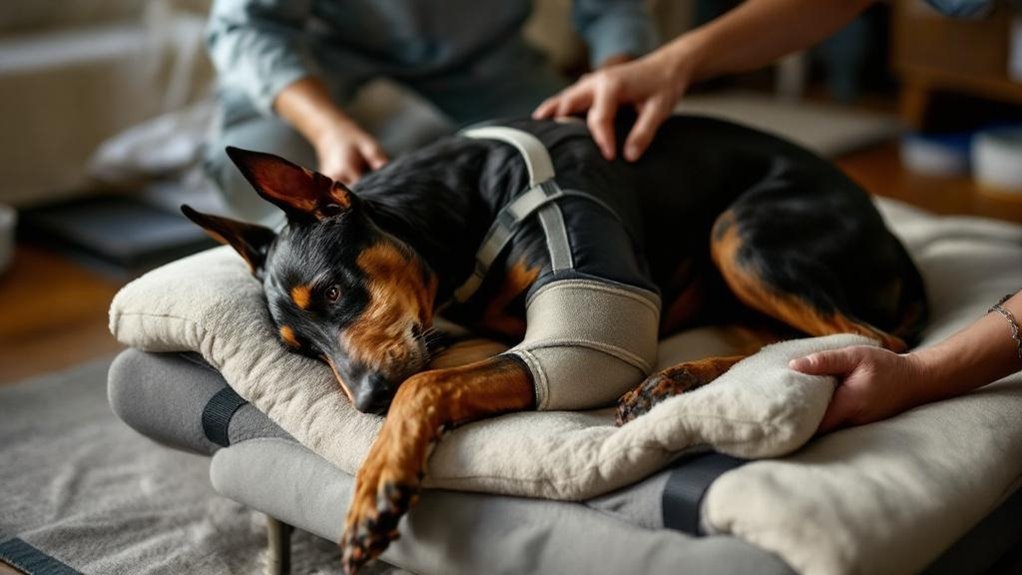
Equally important is providing a supportive, padded bed placed in a calm, low-traffic area where your dog can rest without pressure on already-stressed joints, since proper rest is essential to managing pain and maintaining mobility.
These modifications work together to create an environment that protects your dog’s hips during both active movement and recovery time, making daily life more comfortable without requiring expensive treatments or constant intervention.
Ramps And Stairs Alternatives
Because Doberman Pinschers with hip dysplasia experience significant strain when traversing stairs, installing ramps throughout your home offers a practical solution that substantially reduces the impact on their joints.
You’ll find that ramps provide low-impact access to elevated areas, making daily movement easier for your dog while minimizing joint stress associated with hip dysplasia.
Consider these stairs alternatives:
- Install ramps with gentle slopes around 18-20 degrees and non-slip surfaces to guarantee stability
- Lower beds or provide pet steps to prevent excessive jumping that exacerbates hip dysplasia symptoms
- Use lightweight, portable ramps for outdoor settings, enabling vehicle access without climbing strain
Regularly monitoring your home environment and adapting it strategically helps you manage hip dysplasia effectively, allowing your Doberman to navigate spaces comfortably while protecting vulnerable joints from unnecessary stress.
Supportive Bedding And Rest Areas
Proper bedding and rest areas form the foundation of managing your Doberman’s hip dysplasia at home, since dogs spend significant time resting and the right setup can substantially reduce joint strain during these essential recovery periods.
Invest in supportive bedding featuring orthopedic support, such as memory foam or specialized orthopedic pads, which provide important cushioning and alleviate pressure points affecting your dog’s joints.
Place these rest areas on non-slippery surfaces to minimize falls that could aggravate joint pain, especially significant for dogs with limited mobility.
Additionally, consider elevated beds that ease strain on your Doberman’s hips when moving between positions.
Layering soft materials creates peak comfort, allowing your dog to rest deeply while their body recovers from the daily challenges of managing hip dysplasia.
When and How to Consider Surgical Options
When conservative treatments like weight management and physical therapy haven’t relieved your Doberman’s pain or restored adequate mobility after a reasonable trial period, it’s time to discuss surgical options with your veterinarian.
Total Hip Replacement (THR) represents the most effective surgical approach for severely affected dogs, though costs typically range from $1,500 to $7,000. Your veterinarian will use diagnostic imaging like X-rays to assess dysplasia severity before recommending intervention.
Early intervention yields better outcomes, particularly for younger dogs without extensive degenerative changes. Consider surgery when:
- Conservative management fails to improve significant pain and function
- Diagnostic imaging confirms substantial joint damage
- Your dog’s quality of life remains compromised despite supportive care
Post-surgery, a structured rehabilitation program focusing on gradual mobility exercises and strength-building over several months proves essential for ideal recovery and long-term function.
Building a Long-Term Care Plan With Your Vet
Managing hip dysplasia in your Doberman isn’t a one-time decision but an ongoing partnership with your veterinarian that adapts as your dog ages and as their condition evolves.
You’ll develop a thorough treatment plan that includes regular check-ups monitoring your dog’s hip health, allowing your vet to adjust strategies when needed.
Weight management and tailored nutrition reduce stress on affected joints while supporting overall joint health.
Proper weight management and nutritional support reduce joint stress while promoting long-term hip health in Dobermans.
Establish a consistent low-impact exercise routine, such as swimming or controlled leash walks, to maintain your Doberman’s fitness without worsening symptoms.
Your veterinarian will recommend joint supplements or medications like glucosamine and anti-inflammatories for pain management.
Periodic X-rays assess progression, ensuring your long-term care approach remains effective and responsive to your dog’s changing needs.
Frequently Asked Questions
What Worsens Hip Dysplasia in Dogs?
You worsen hip dysplasia through overfeeding, high-impact exercise, obesity, poor nutrition lacking joint support, and breeding dogs without hip dysplasia screening. These factors strain developing joints and accelerate condition progression.
How Much Is FHO Surgery for a Dog?
You’ll typically spend between $1,500 to $4,000 for FHO surgery, though costs vary by your veterinarian’s location and expertise. Recovery demands 8-12 weeks of physical therapy for best results.
What Are the 4 F’s of Hip Dysplasia?
Your dog’s hips are like a car’s engine—you can’t ignore maintenance. You’ll manage hip dysplasia through the 4 F’s: Fitness, Foundational Support, Follow-Up Care, and Food. Each pillar strengthens your dog’s joint health.
Can a Dog Live With Hip Dysplasia Without Surgery?
Yes, your dog can live comfortably with hip dysplasia without surgery. You’ll manage it through weight control, low-impact exercise, joint supplements, pain medications, physical therapy, and supportive products like padded beds and ramps.
Conclusion
You’ve now got the tools to help your Doberman thrive despite hip dysplasia. Here’s what matters: studies show that dogs receiving consistent weight management, low-impact exercise, and joint supplements experience a 60% reduction in pain progression. You’re not just managing a diagnosis—you’re actively preserving your dog’s quality of life through practical, evidence-based care that works when you commit to it alongside your veterinarian’s guidance.